The Complete Guide to Ethical Storytelling for Documentary Filmmakers
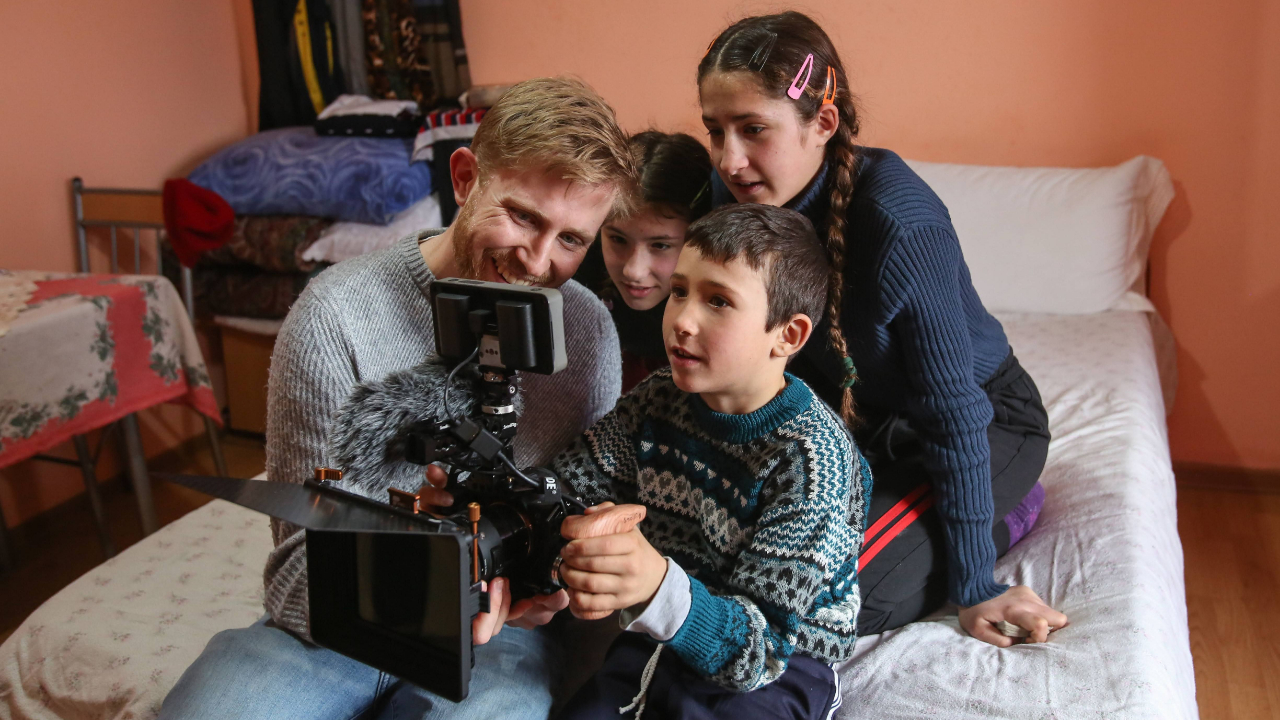
Documentary ethics shape every decision you make as a filmmaker, from your first interview to your final cut.
I've spent years making documentaries, and the toughest moments aren't technical. They're ethical. Should I include this scene? Am I representing this person fairly? Is this fact accurate enough to put on screen? These questions sit at the heart of every honest documentary, and getting them right separates responsible filmmaking from careless storytelling.
In this post, I'll walk you through what documentary ethics actually means, why it matters, and my five practical tips for balancing truth with storytelling in your own films.
Table of Contents
- What Are Documentary Ethics?
- Why Are Ethical Issues Important in Documentary Filmmaking?
- What Are the Ethical Issues in Documentary Filmmaking?
- 5 Tips for Ethical Documentary Storytelling
- The Power and Responsibility of Truthful Storytelling
- Balancing Truth and Drama
- FAQ
What Are Documentary Ethics?
Documentary ethics are the principles that guide filmmakers to tell the truth, treat people with respect, and consider the impact of their work on viewers and subjects.
Key areas include truth and accuracy, where facts form the foundation for an honest portrayal of events. Fair representation means letting subjects speak for themselves, without manipulation in storytelling or editing. Informed consent means being transparent with those filmed about the project and its potential consequences.
Filmmakers must respect privacy, especially with sensitive topics, and strive to avoid harm to their subjects, audiences, or communities. Accountability means owning your film, being ready to explain your choices, and listening to feedback. Cultural sensitivity involves respecting diverse backgrounds and avoiding stereotypes.
Many documentaries embrace social responsibility, choosing topics that matter and aiming to promote understanding and positive change. While different groups might have varying rules, the heart of documentary ethics lies in balancing creative storytelling with a filmmaker's responsibility to the wider world.
Why Are Ethical Issues Important in Documentary Filmmaking?
Documentaries shape how we see the world. If we mislead audiences for the sake of entertainment, we lose their trust and undermine the power of the documentary form. Misrepresenting the truth damages our credibility as filmmakers and can spread misinformation with harmful consequences.
Beyond the audience, your ethical choices directly affect the people in your film. A subject who feels exploited or misrepresented may suffer real harm to their reputation, relationships, or mental health. The Honest Truths report by the Center for Media and Social Impact found that documentary filmmakers consistently identified the tension between compelling storytelling and ethical responsibility as their biggest challenge.
Ethics also protect you as the filmmaker. When you can confidently justify every creative decision, you build a body of work that audiences, festivals, and distributors trust. That trust is your career's foundation.

What Are the Ethical Issues in Documentary Filmmaking?
The main ethical issues documentary filmmakers face include informed consent, truth and accuracy, fair representation, privacy, harm minimisation, bias, power dynamics between filmmaker and subject, and the question of whether to compensate participants.
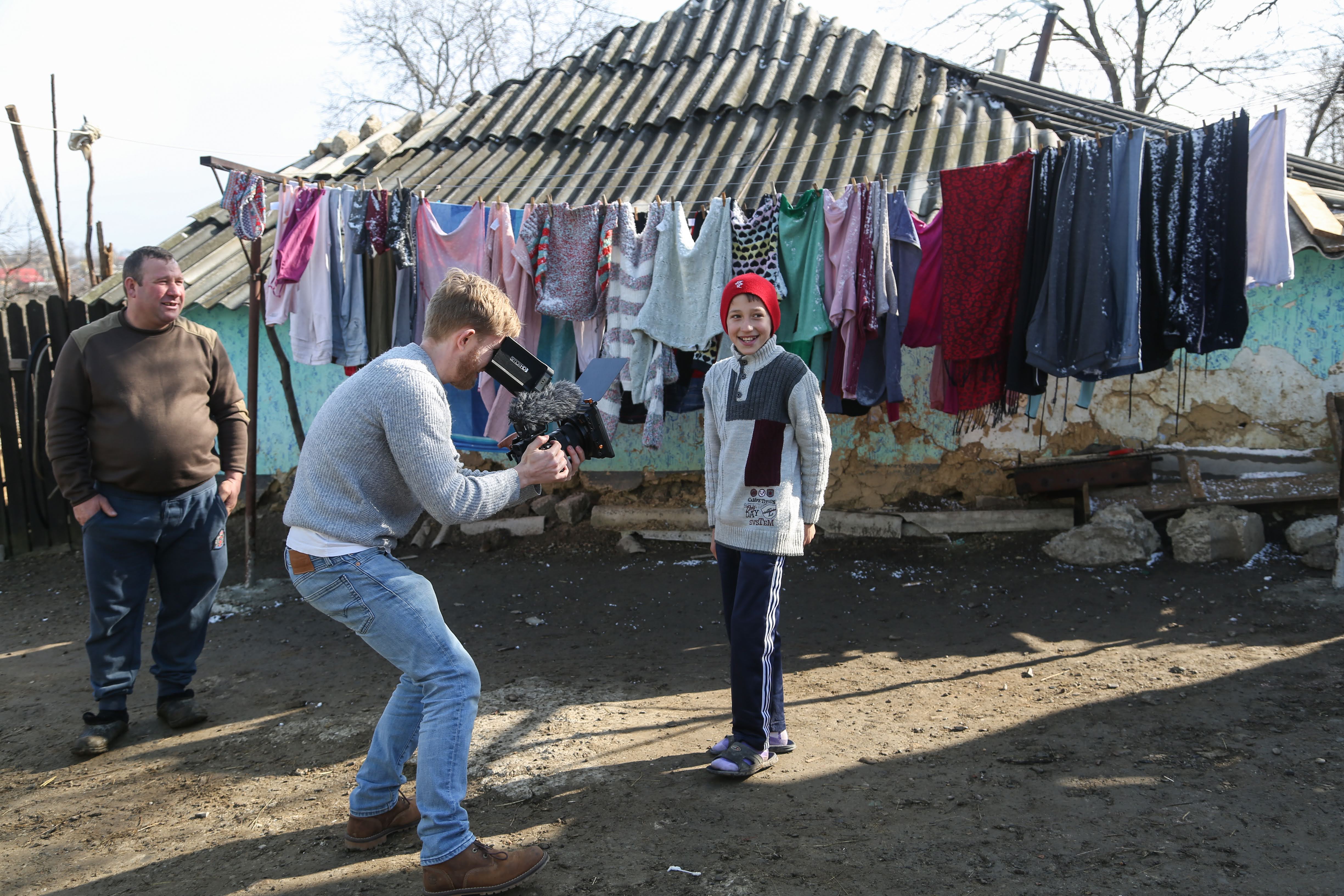
Informed consent goes deeper than getting a signed release form. Your subjects need to understand how their story will be used, who will see it, and what the risks are. This is especially true for vulnerable subjects, children, or people who may not fully grasp the reach of a published film.
Power dynamics also matter. As the filmmaker, you hold most of the control over how someone is portrayed. Recognising that imbalance, and actively working to give your subjects a voice in how their story is told, is part of responsible filmmaking.
If you want to dig deeper into challenges filmmakers face, I cover more in my post on documentary filmmaking challenges and how to overcome them.
To help you get started applying these principles to your documentary, I've put together a quickstart guide that you can get here: Ethical Storytelling Quickstart Guide

5 Tips for Ethical Documentary Storytelling
Below are my five tips on balancing storytelling with truth when making a documentary.
1. Verify Your Facts
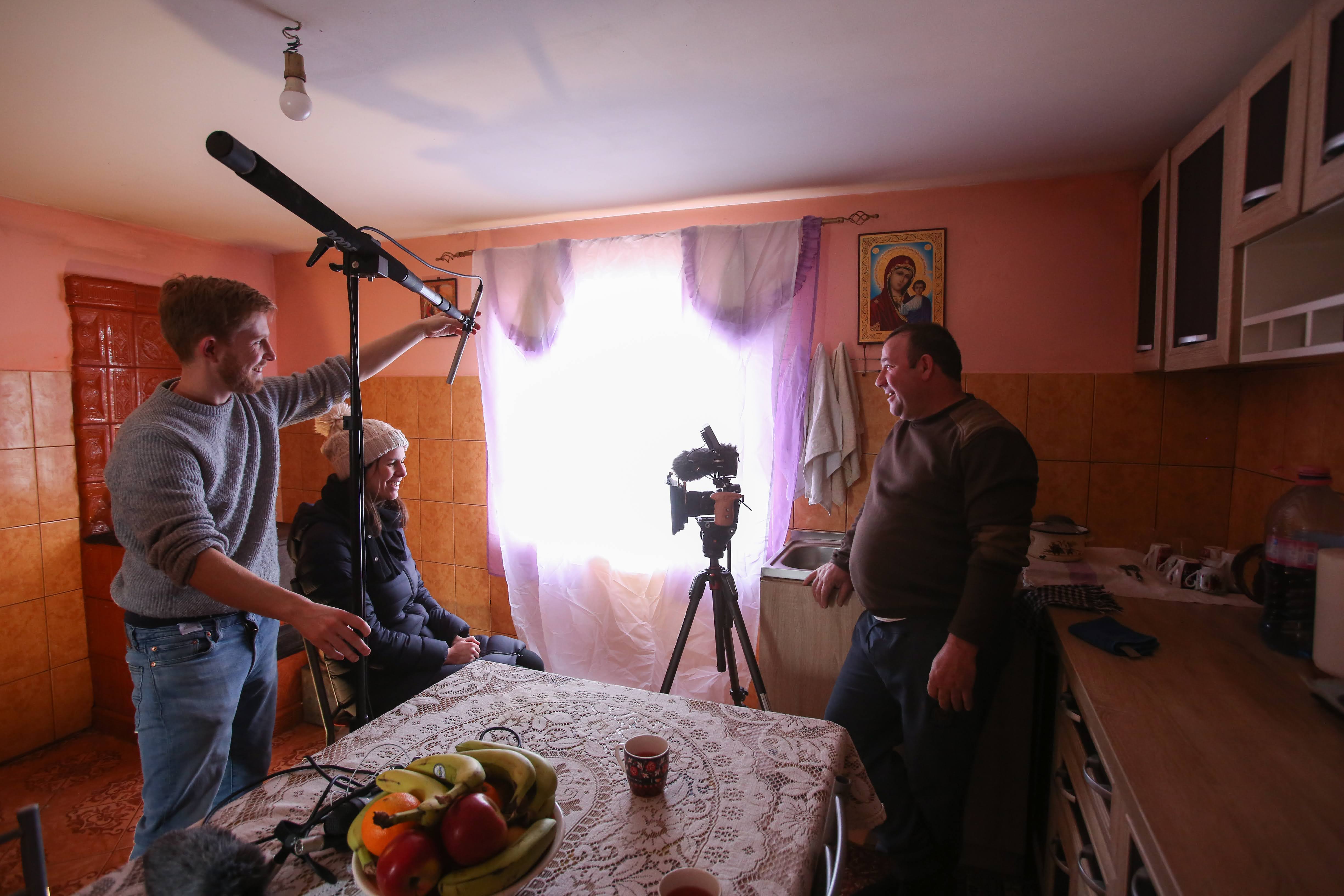
How you use facts will depend on what kind of documentary you're making, but generally, a documentary should be a combination of known facts, such as the date and time that something occurred, along with subjective accounts of your characters.
With your own research, make sure you have at least three credible independent sources before representing something as fact. When it comes to characters you're interviewing, if they say a fact on camera, trust that what they say is true to them, but if you want to include it, you need to back this up with your own research too. Again, ideally, you want three credible independent sources.
You cannot hide behind your characters if your film includes an inaccurate fact. It's your responsibility as the filmmaker. If you find what a character has said is not true, I suggest either leaving it out or, if you think it's too powerful to take out, make it clear to the viewer that it's inaccurate and present the correct information if you can. For example, you could do this using a voiceover or with text at the end of the scene.
2. Don't Over-simplify
When telling a true story it's all too easy to simplify things down. For instance, it's tempting to reduce your characters to the fairytale archetypes of 'good' and 'bad', or 'hero' and 'villain'. But try to resist doing this, as it's a character's depth that makes them interesting and easier to relate to.
Your documentary will be far more interesting if you stay true to the complicated and often paradoxical nature of history and human emotion. Instead of just reducing your characters to 'good' and 'bad', see if you can show 'good' and 'bad' traits in the same character. Real people are complex, and your film should reflect that. If you want to explore how character depth drives great documentaries, read my guide on character-driven vs. topic-driven documentary storytelling.
3. Be Aware of Bias
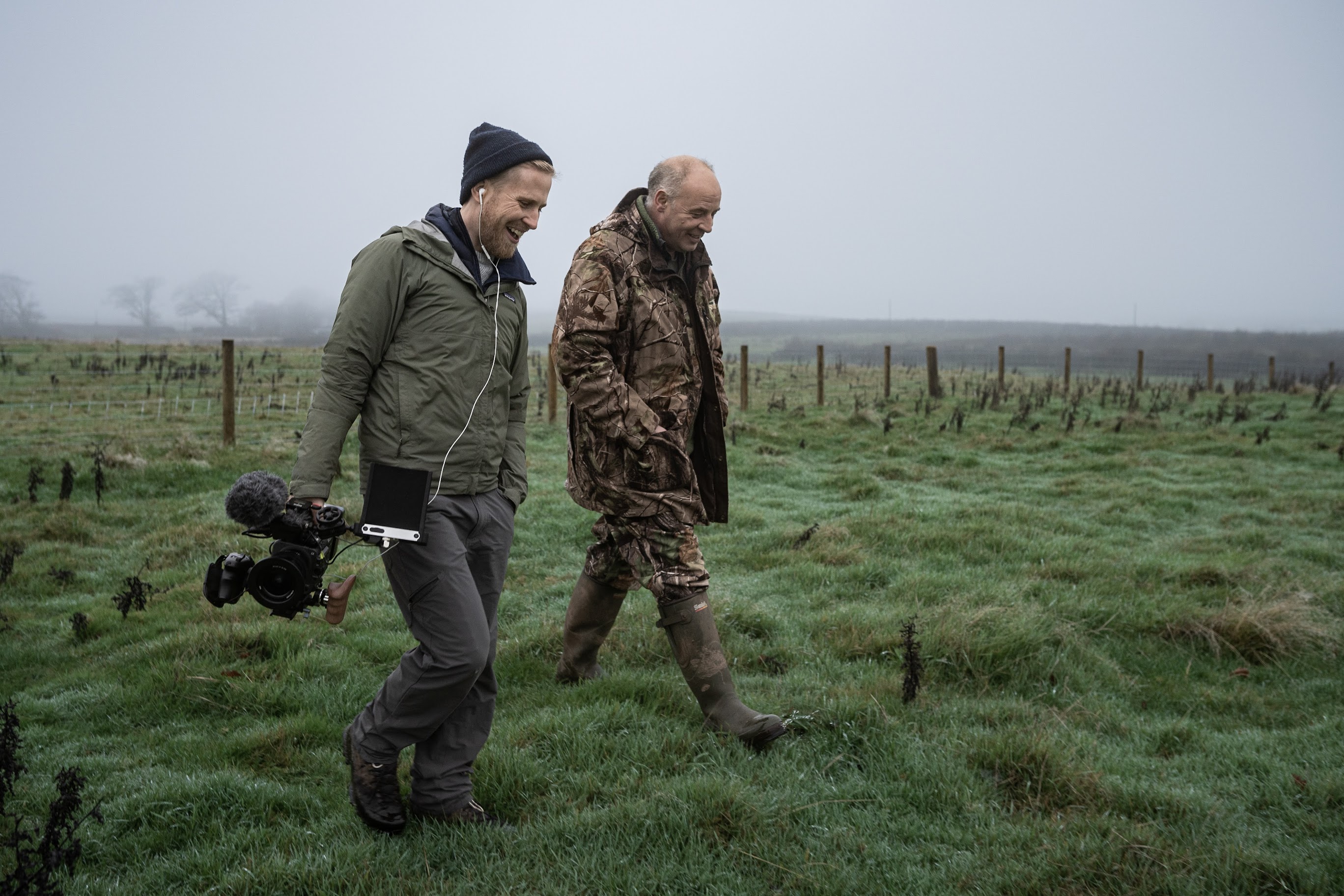
Every filmmaker has bias. This is a fact of being a human being. The problem is not having bias, it's being unaware of it. This is particularly important when it comes to issues like racism, sexism, homophobia and other forms of discrimination, as one of the key drivers of inequality is cultural stories. Stories about who belongs, who matters, and what is valued.
These stories shape our values, behaviour, and attitudes and are shared through cultural forms like documentary. They can lean towards having a positive impact or a negative impact. The best way to keep bias under control is to make sure you understand what your views are and why you have them.
So, as you make your film, if you find yourself leaning toward one view or one side, it's a good idea to self-reflect every now and then and ask yourself if any bias is building up. Questions like: Who do I personally like or dislike, and why? How might that be colouring my judgment? What's my blind spot? Is there another perspective I haven't considered?
The International Documentary Association has ongoing discussions about bias in documentary filmmaking, and groups like the Documentary Accountability Working Group have developed formal guideposts to help filmmakers check their assumptions.
4. Minimise Harm
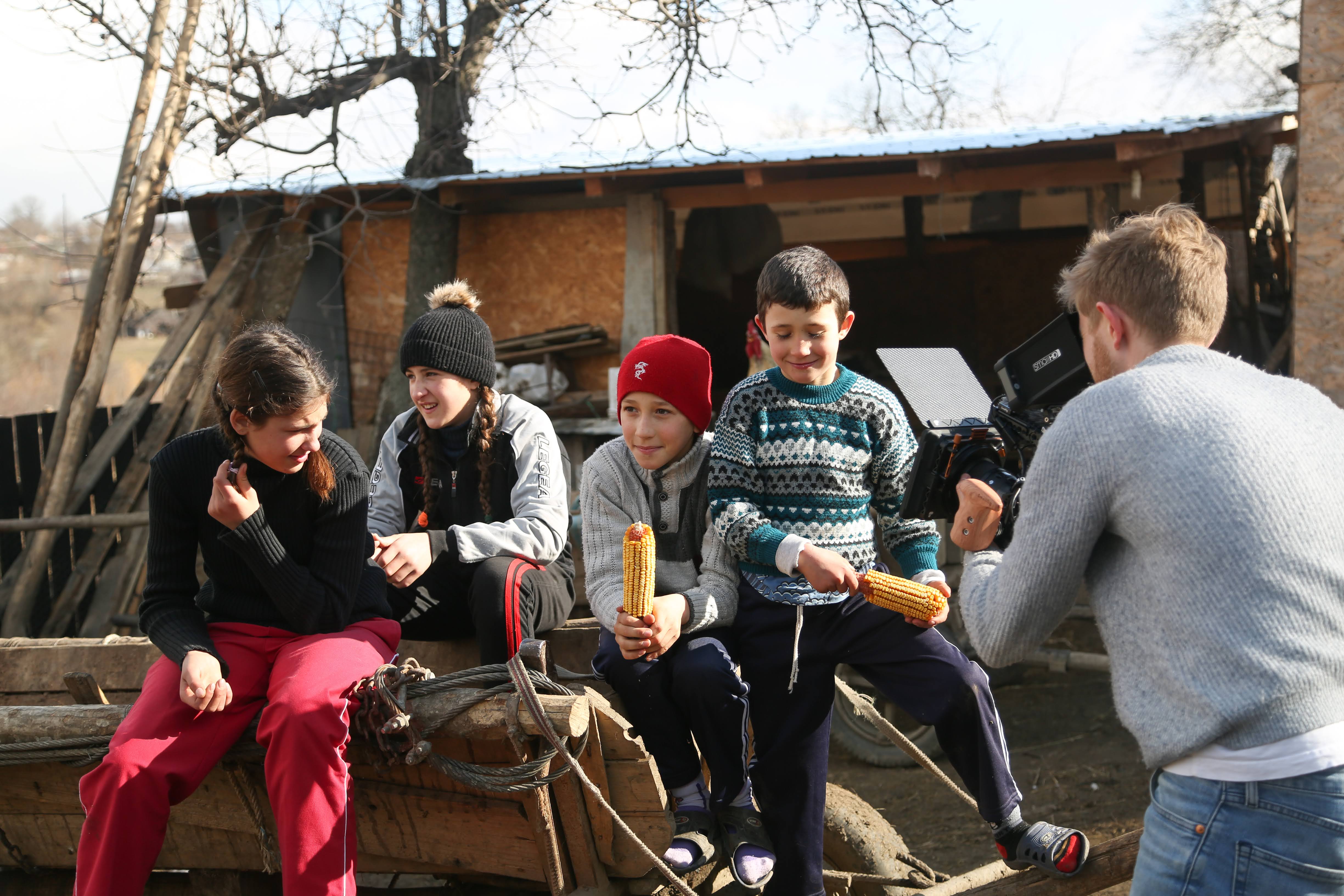
Being a responsible filmmaker means treating everyone you come into contact with during your production with care and respect. This includes your film crew, interviewees, the people who live in the area you're filming, and any other members of the public.
Pay particular attention to vulnerable people and sources or subjects who are inexperienced or unable to give consent or who may not fully grasp how their story may be used.
For example, when I made a short online film for a charity called Actionaid, I wasn't allowed to show the faces of any of the survivors of domestic violence and could only show the back of their heads. This was to ensure we didn't put the survivors in more danger if a member of their local community saw the film online.
For more on conducting interviews with sensitivity, check out my guide on how to film a documentary interview.
5. Embrace Creative License
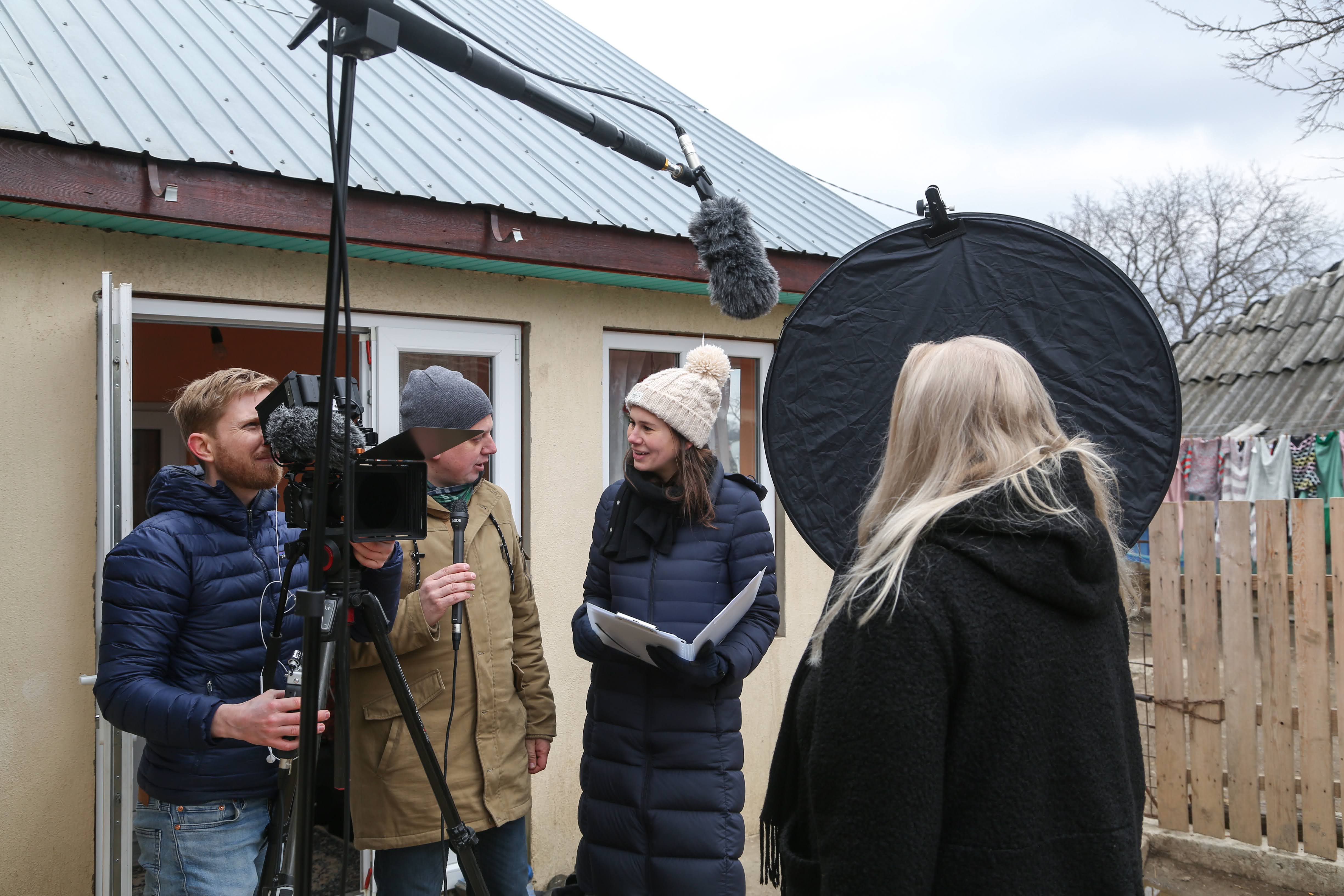
There are times when the needs of your story can outweigh sticking strictly to literal facts, as long as those facts are not significant. Also, parts of the story may be missing, or parts of the story may be too complex to explain. In this case, it is your job to use your creative license to fill those gaps as accurately as you can with the information available.
How much creative license you're willing to use in a documentary is different for every filmmaker, but the important thing is that you stay true to yourself and to the human emotion of the story. As filmmakers, we should strive to make our film as entertaining and compelling as we can for our audiences. As long as we can confidently justify the reasons for our choices.
For inspiration on storytelling approaches that stay ethical while keeping audiences engaged, see my post on visual storytelling techniques for documentary filmmakers.
The Power and Responsibility of Truthful Storytelling
Documentary filmmaking is a powerful tool for sharing real-life stories, and it comes with a unique set of ethical challenges. At the heart of this is the balance between captivating storytelling and honouring the truth.
Issues like a filmmaker's potential bias, respect for privacy (especially regarding vulnerable subjects), and avoiding exploitation all raise ethical questions. Filmmakers must work through these complexities, ensuring that the people at the centre of their work are treated with dignity.
It's also worth considering the documentary's lasting impact. How might it affect the lives of those involved? Documentaries carry both power and responsibility, and ethical considerations must be central from the earliest planning through to the film's release. This ensures that we create documentaries that move audiences while staying true to the people and stories they represent.
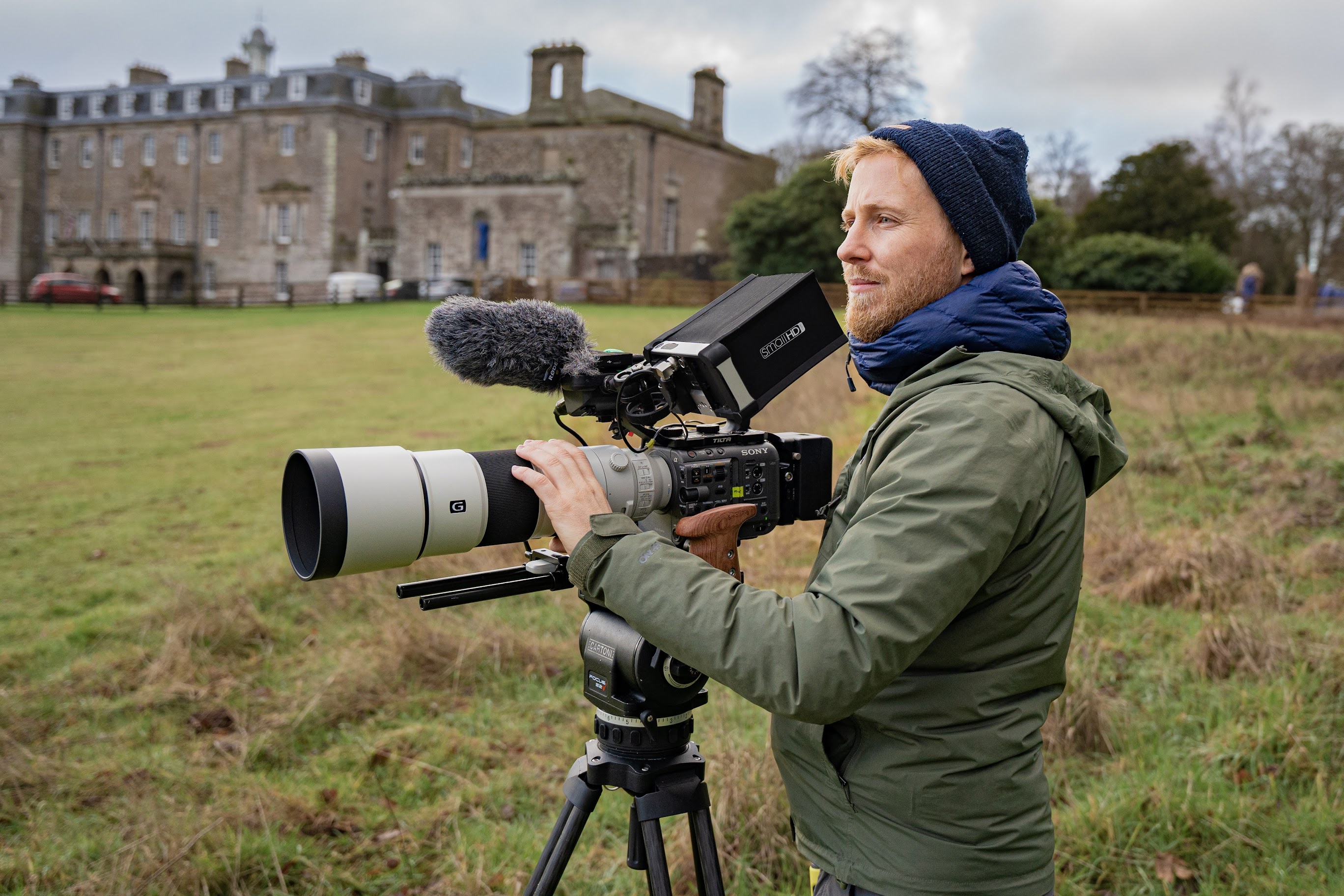
Documentary Storytelling Ethics: Balancing Truth and Drama
So there you have it, those are my five tips for balancing storytelling with truth. The subtleties of the decisions you make will all depend on what type of film you're making and its purpose.
For example, the role of facts might be far more important in a documentary trying to shed light on an untold side of history than in a documentary about one person's personal journey battling with cancer. But even so, if that character states some facts about a certain hospital or statistics about cancer, it's still important to fact-check these.
Or, if you're making a documentary involving someone from a poor or marginalised group, I recommend paying special attention to any potential bias you may have, and making sure you show character depth rather than reinforcing stereotypes.
You are likely to have to make some tough calls, but often it's these challenges that can stimulate the most creativity and push us to be better filmmakers. The important thing is that you do your research, weigh up the consequences of each option, and that you are confident in the reasons for your decisions.
If you follow these steps, you have the potential to make a really powerful documentary that is both true to your topic and subjects and will also engage, entertain, and inspire audiences. If you're just getting started, my step-by-step guide to making a documentary covers the full process from idea to finished film.
Frequently Asked Questions
What are the ethical considerations of documentary filmmaking?
The main ethical considerations include informed consent, truth and accuracy, fair representation, privacy, minimising harm, managing bias, respecting power dynamics between filmmaker and subject, and deciding whether to compensate participants for their time and stories.
How do you balance truth and storytelling in a documentary?
Verify your facts with at least three credible independent sources. Avoid oversimplifying complex characters or situations. Be aware of your own bias. Minimise harm to subjects. Use creative license only when the missing facts aren't significant, and always be ready to justify your choices.
What is informed consent in documentary filmmaking?
Informed consent means your subjects understand what the project is about, how their footage will be used, who will see it, and what risks are involved. It goes beyond a signed release form. Subjects should be able to make a genuinely informed decision about participating, especially vulnerable individuals or those unfamiliar with how media works.
Can you use creative license in a documentary?
Yes, but with care. Creative license can fill gaps where parts of a story are missing or too complex to explain. The key is that any creative choices don't distort significant facts. Stay true to the emotional truth of the story and be ready to explain your decisions if questioned.
Photos taken by: Alex Felstead and Andreea Tanase // Hope & Homes For Children.